

+918048060111

Currently it only shows your basic business info. Start adding relevant business details such as description, images and products or services to gain your customers attention by using Boost 360 android app / iOS App / web portal.

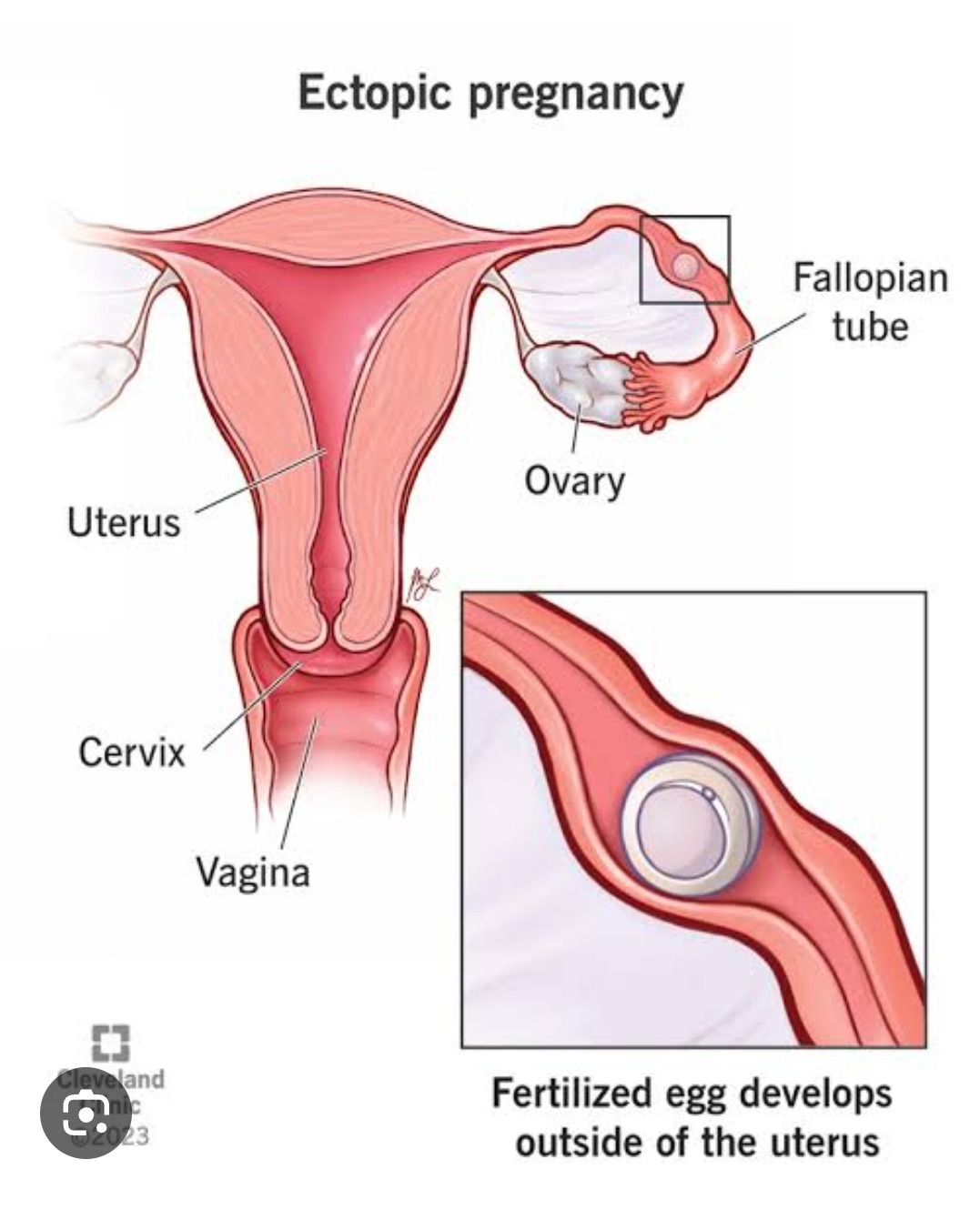
An ectopic pregnancy occurs when a fertilized egg implants and grows outside the main cavity of the uterus. The most common site for an ectopic pregnancy is in one of the fallopian tubes (called a tubal pregnancy), but it can also occur in other areas, such as the ovary, abdominal cavity, or the cervix. Key Characteristics: Non-viable Pregnancy: The fertilized egg cannot survive outside the uterus, and the growing tissue might damage nearby organs, causing life-threatening complications. Symptoms: Sharp or stabbing pain in the abdomen, pelvis, or shoulder. Vaginal bleeding or spotting. Weakness, dizziness, or fainting (a sign of internal bleeding). Risk Factors: Previous ectopic pregnancy. Pelvic inflammatory disease (PID). Endometriosis. Surgery on the fallopian tubes or pelvic region. Use of fertility treatments or intrauterine devices (IUDs). Diagnosis: Ultrasound: A transvaginal ultrasound can usually confirm the location of the pregnancy. Blood Tests: Measuring human chorionic gonadotropin (hCG) levels to assess pregnancy progress. Treatment: Medication: Methotrexate can be used to stop the growth of the pregnancy if it is detected early. Surgery: In more severe cases or if rupture occurs, surgery (laparoscopy or laparotomy) is required to remove the ectopic tissue and repair or remove the damaged fallopian tube.


