

+918048060111

Currently it only shows your basic business info. Start adding relevant business details such as description, images and products or services to gain your customers attention by using Boost 360 android app / iOS App / web portal.

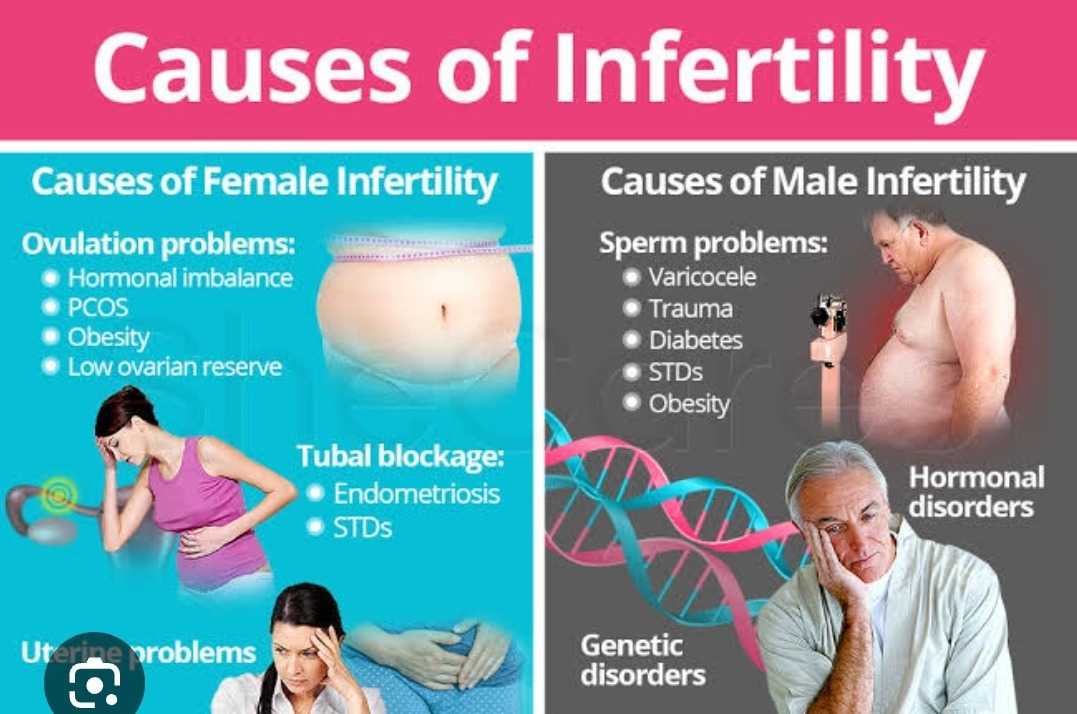
Infertility refers to the inability to conceive a child after one year of regular, unprotected sexual intercourse. It can affect both men and women, and the causes can vary widely. Infertility is generally diagnosed when a couple fails to conceive after trying for at least a year. Causes of Infertility in Women: Ovulation Disorders: Polycystic Ovary Syndrome (PCOS): A common hormonal disorder that affects ovulation. Hypothalamic Dysfunction: A malfunction in the part of the brain that regulates ovulation. Premature Ovarian Failure: Early loss of ovarian function, leading to a lack of eggs. Luteal Phase Defect: An insufficient progesterone production after ovulation, affecting implantation. Blocked or Damaged Fallopian Tubes: Conditions like pelvic inflammatory disease (PID), endometriosis, or previous surgeries can block or damage the tubes, preventing sperm from reaching the egg or interfering with embryo transport. Endometriosis: Tissue similar to the uterine lining grows outside the uterus, affecting the ovaries, fallopian tubes, and surrounding organs, which can impair fertility. Uterine Problems: Structural issues, such as fibroids, polyps, or congenital abnormalities of the uterus, can interfere with implantation or pregnancy. Age: Female fertility declines with age, especially after age 35, due to a reduction in both the quantity and quality of eggs. Hormonal Imbalances: Disorders of the thyroid, prolactin levels, or other hormones can affect ovulation and reproductive health. Lifestyle Factors: Smoking, excessive alcohol consumption, extreme weight changes, and high-stress levels can contribute to infertility. Chronic Health Conditions: Conditions like diabetes, autoimmune disorders, and obesity can affect fertility. Causes of Infertility in Men: Low Sperm Count (Oligospermia): A lower-than-normal number of sperm in the ejaculate can reduce the chance of fertilizing an egg. Poor Sperm Quality: Issues with sperm motility (movement) or morphology (shape) can impair the ability to fertilize an egg. Blocked Seminal Vesicles or Vas Deferens: Blockages or obstructions in the tubes that carry sperm from the testes to the urethra can prevent sperm from being ejaculated. Varicocele:


